
THE FINISH IS WHAT THE CUSTOMER TOUCHES
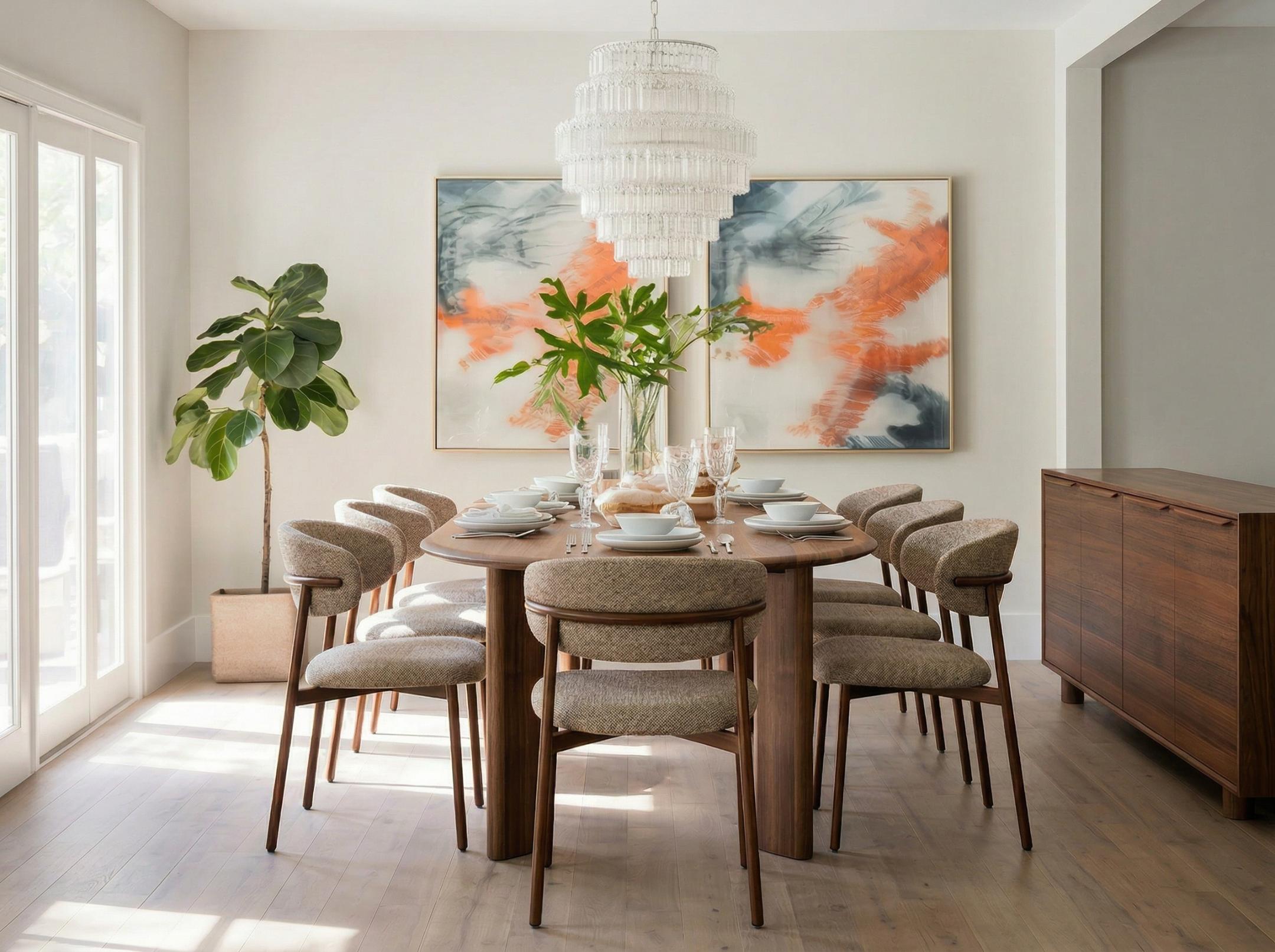
A great finish communicates quality before the customer reads a single word — in the showroom, in the catalogue, on a product page. An average finish on great timber undersells the product. A great finish on an accessible timber elevates it.
Finishing is one of Living Ikon’s most developed and commercially valued capabilities. We invest in it continuously — in the expertise of our finishing teams, in the materials we work with, and in the custom development we do for buyers who need their product to look and feel different from everything else on the market.
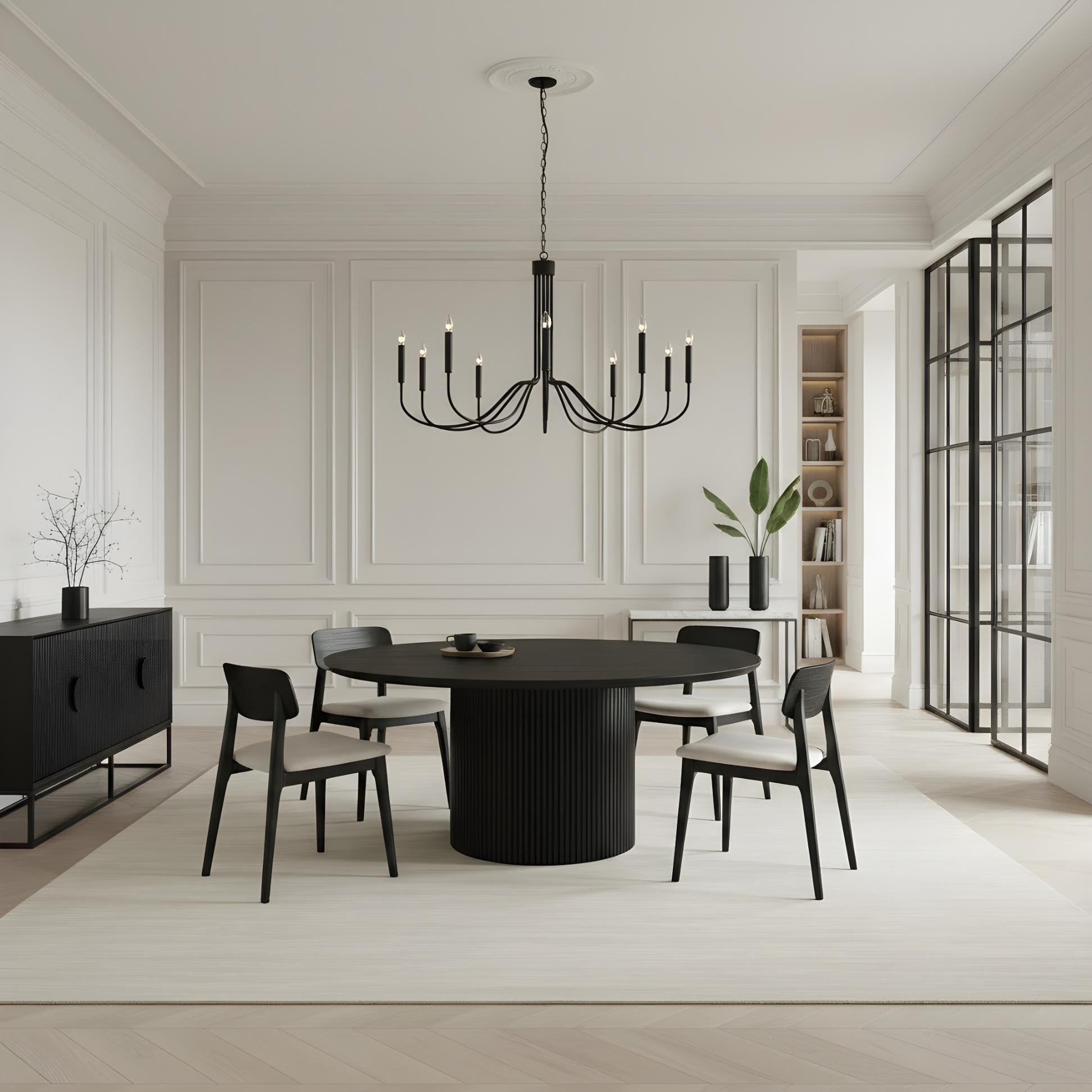
Finishing covers everything applied to the timber or material surface after construction — from the base preparation through to the topcoat — and the techniques used to achieve a specific look, feel, or level of protection.
It includes:
- Surface preparation (sanding, planing, pore filling)
- Stain and colour application
- Topcoat application (lacquer, oil, wax, polyurethane)
- Texture techniques (wire brushing, sandblasting, hand scraping)
- Distressing and ageing effects
- Painted and specialty finishes
NATURAL FINISHES
The most popular category — finishes that enhance the timber’s natural colour and grain without significantly altering its appearance.
- Clear lacquer (satin or matt — protects while preserving natural timber character)
- Natural oil (penetrating; nourishes the timber; popular for Oak, Teak, Walnut, and Acacia)
- Hard wax oil (a hybrid of oil and wax; excellent durability with natural appearance)
- Raw / unfinished (for buyers offering consumer-applied finishing, or where raw texture is the design intent)
STAINED FINISHES
Staining changes the colour while retaining grain visibility — the most versatile finish category commercially.
- Light stains (honey, amber, warm grey — adds tone without obscuring grain)
- Mid stains (walnut, tobacco, chestnut — the commercial sweet spot for warmth and depth)
- Dark stains (ebony, black-brown — for premium positioning; pairs well with contrasting hardware)
- Grey and ash stains (cool and contemporary; Scandinavian and coastal market appeal)
- White and limed stains (opens the grain; pale, fresh aesthetic; very strong in Australian and NZ markets)
We develop custom stain colours for private label and ODM programs, matched to brand specifications and validated on the specific timber species being used.
PAINTED FINISHES
Full paint coverage for applications where timber grain is not the design intent.
- Solid colour (full coverage; clean and contemporary; wide colour range)
- Chalk and matt paint (matte, chalky texture; popular in coastal, Hamptons, and Scandi directions)
- Two-tone painting (body colour + contrasting leg or detail colour — adds visual interest without complexity)
- Colour-matched RAL and Pantone specifications for private label programs
Brand program partners have priority scheduling in our factory network, particularly important during high-demand periods. Your production doesn’t compete with opportunistic orders.
One point of contact who knows your brand, your product history, and your commercial priorities — not a rotating inbox.
WIRE BRUSHING
Wire brushing removes soft wood fibres from the grain, leaving the harder growth rings raised and creating a visible, tactile surface texture. The result is a timber surface that looks and feels aged and handcrafted.
Wire brushing is one of our most requested techniques — it works beautifully on Oak, Ash, and Eucalypt, and adds genuine perceived value to a finished piece. It pairs particularly well with white, grey, and natural stain finishes.
HAND SCRAPING
Subtle surface texture applied by hand across the timber face — creating very fine, irregular marks that read as the product of skilled handwork rather than machine production. Hand scraping adds an artisan quality to finished surfaces and is appropriate for premium and bespoke positioning.
High-pressure abrasive blasting that opens grain, softens edges, and creates a deeply textured surface with a naturally weathered quality. Most effective on large flat surfaces — table tops, bench seats, and panel faces.
Living Ikon’s distressing capabilities include:
MECHANICAL DISTRESSING
- Denting and impact texturing (creates authentic-looking dings, dents, and wear marks across the surface)
- Edge rounding and worn-through effects (simulates generations of use on edges and high-touch areas)
- Worm-hole and beetle-bore simulation (small drill-point marks replicating insect activity in aged timber)
CHEMICAL DISTRESSING
- Bleaching and liming (draws colour from the timber surface, creating an aged, sun-bleached effect)
- Fuming (ammonia fuming darkens tannin-rich timbers like Oak; produces a distinctive aged, grey-brown colour)
- Reactive staining (chemical reactions with timber tannins produce unique, non-replicable colour effects)
We develop distress levels from very light (barely perceptible — just enough to remove the ‘new’ quality) through to heavily aged (for rustic, farmhouse, and antique-inspired designs).
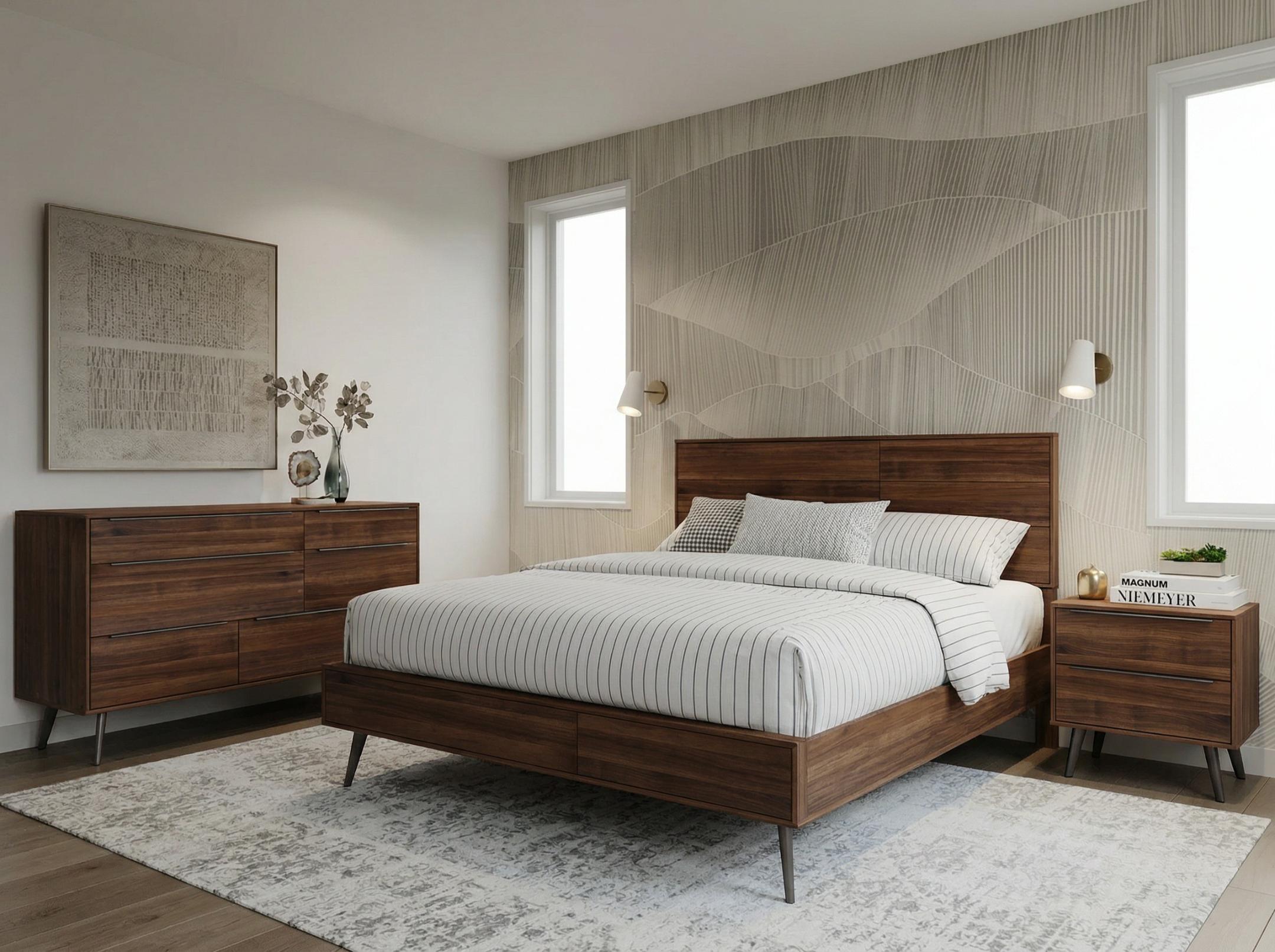
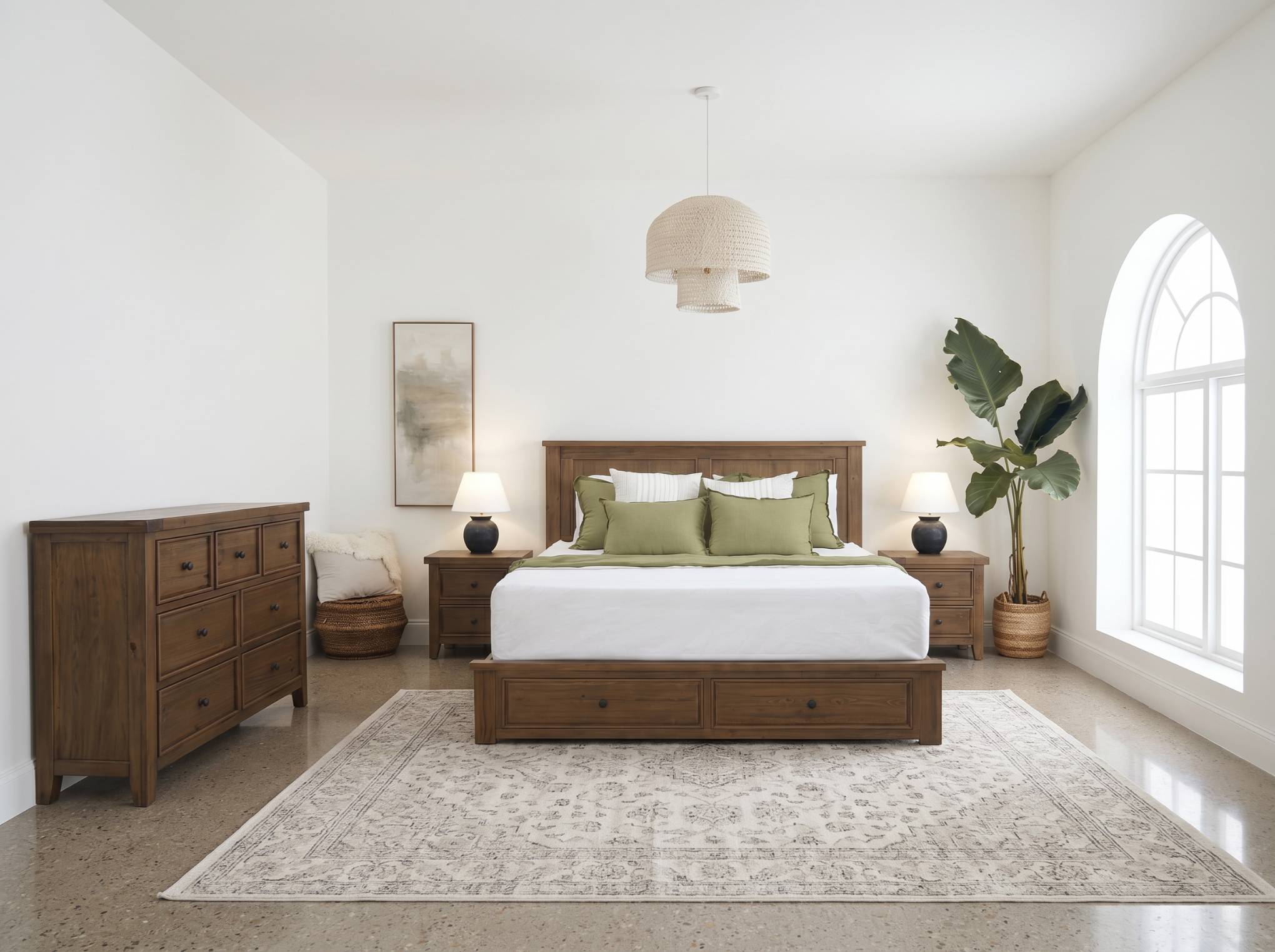
For private label programs and ODM clients, we develop bespoke finishes from scratch — matching a reference sample, brand colour palette, or mood board image.
Our custom finish development process:
- Reference intake (sample, swatch, image, or verbal brief)
- Development on the specified timber species
- Sample production for approval
- Production formulation locked to your program
Custom finishes are exclusive to your program — not shared with other buyers.
One of the most common quality problems in furniture sourcing is finish inconsistency between orders. The dining table in the first container looks different from the one in the third.
We address this through:
- Documented finish formulations for every approved colour and technique
- Qarma digital inspection records comparing finished product against approved samples at every production run
- Retained reference samples held in our facility for cross-batch comparison