
WALNUT: DARK, DISTINGUISHED, DESIRABLE
Where Oak is the dependable classic, Walnut is the connoisseur’s choice — a species that elevates the perceived value of everything it touches.
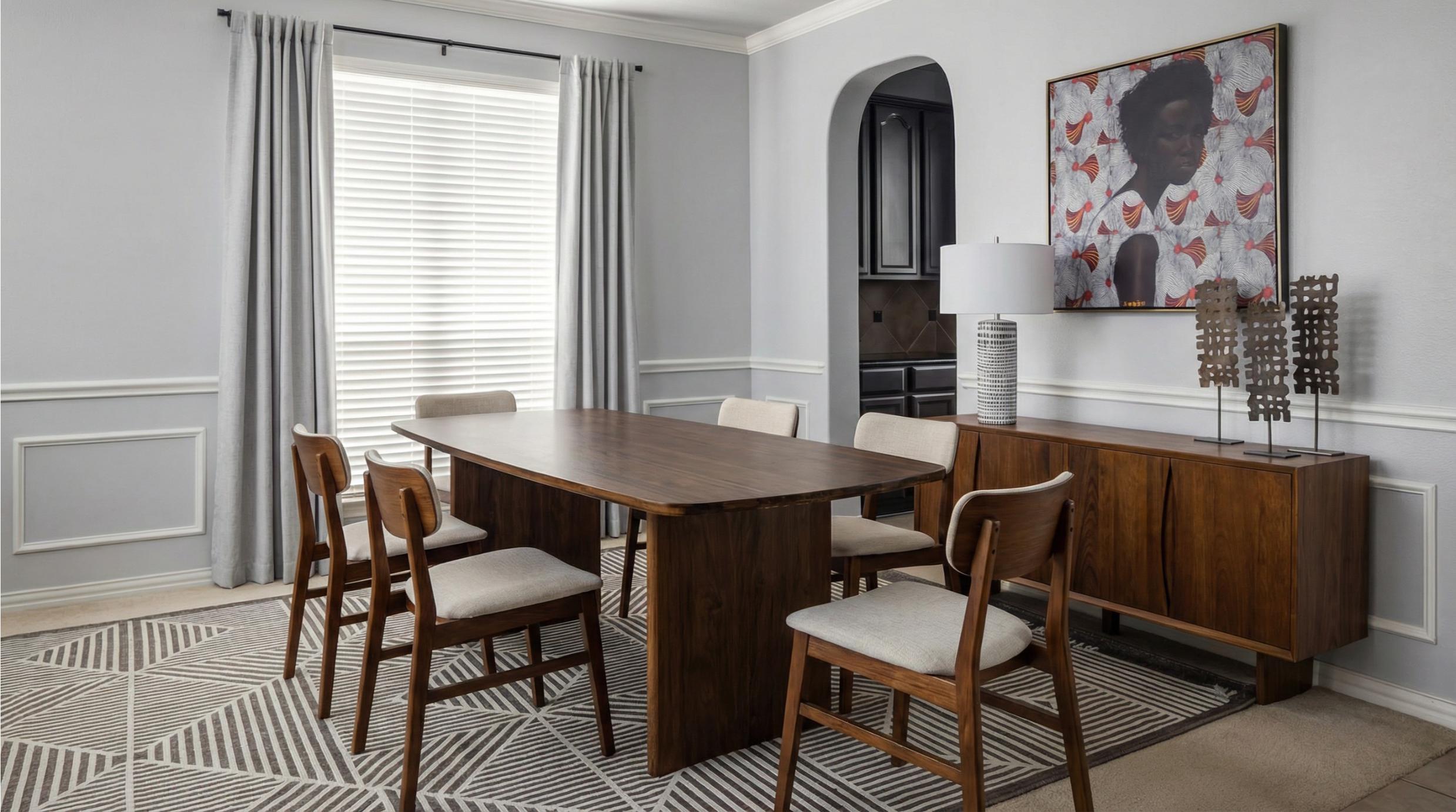

Walnut’s colour is its signature. Deep chocolate brown to dark purplish-brown in the heartwood, often with streaks of lighter tan, grey, or even purple undertones running through the grain. No two pieces are identical — Walnut has a natural richness and depth that is impossible to replicate with stain on lesser timbers.
Sapwood is pale cream and typically excluded from premium applications, though some designers incorporate it deliberately for its striking contrast.
Fine and straight with a lustrous, satiny surface. Walnut does not have the open, pronounced grain of Oak or Acacia — it is quieter, more refined. Figured cuts — crotch, burl, and wavy — are available and highly sought after in premium applications.
Walnut is hard and dense, though slightly softer than Oak. It performs well in furniture applications — resistant to wear, stable under normal conditions, and appropriate for high-use surfaces with correct finishing.
Walnut is a joy to work with. It machines cleanly, turns and carves beautifully, and finishes to an exceptional surface. It accepts both natural and stained finishes with consistency — though its natural colour makes staining largely unnecessary.
Medium-to-heavy. Walnut furniture has a quality weight without being overly cumbersome.
Walnut’s deep natural colour is its greatest asset
- finish choices should enhance rather than alter it:
- Natural oil (the preferred and most common finish — feeds the timber, deepens colour, creates a warm, handsome surface)
- Satin or matt lacquer (for contemporary indoor applications requiring a more durable surface)
- Clear lacquer (adds sheen; suitable for transitional and more formal designs)
- Lightly oiled raw (for a softer, more natural appearance)
Heavy staining is rarely used — Walnut is purchased for its colour, not to be coloured.
Walnut is used in our premium range across:
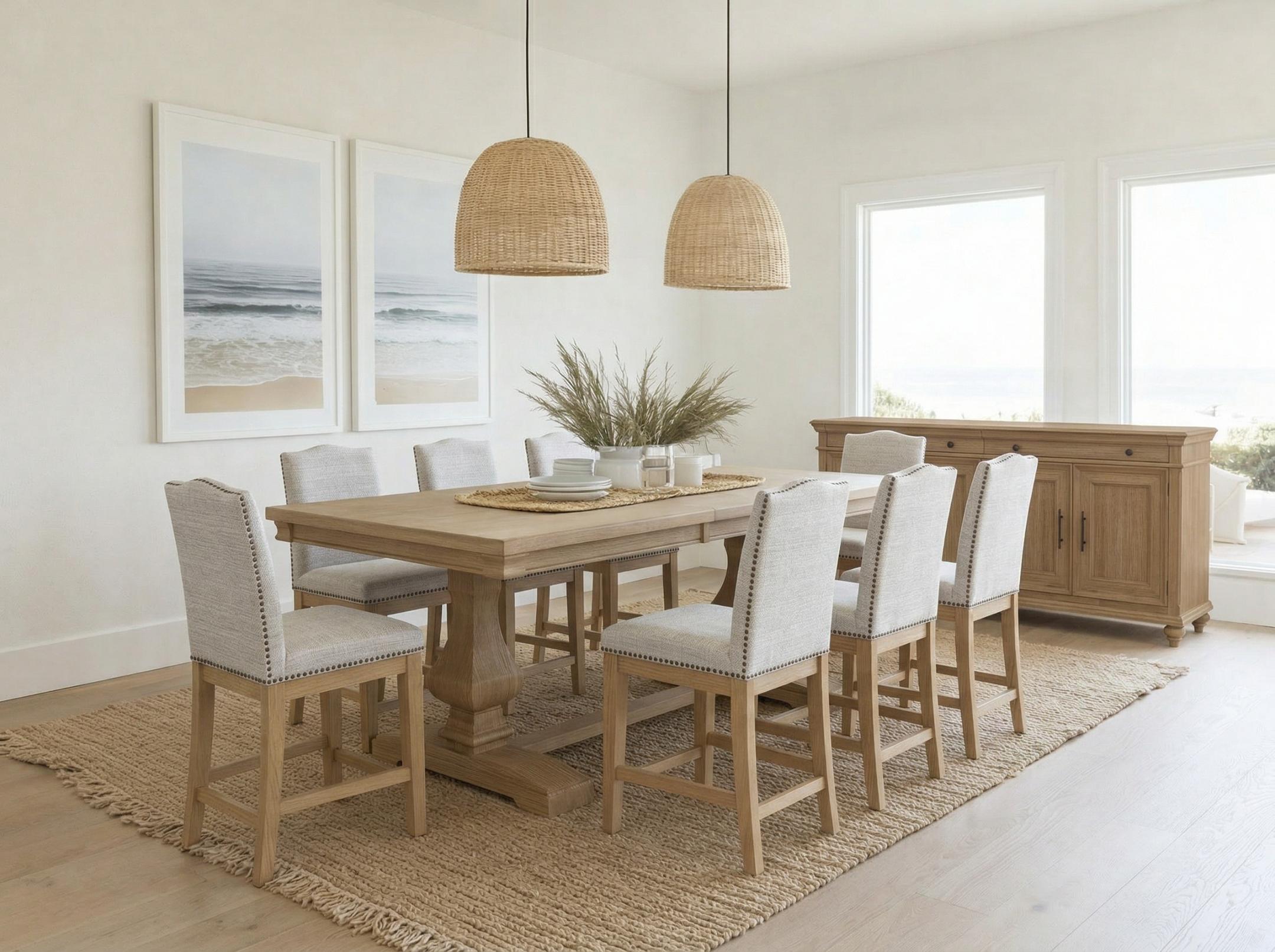
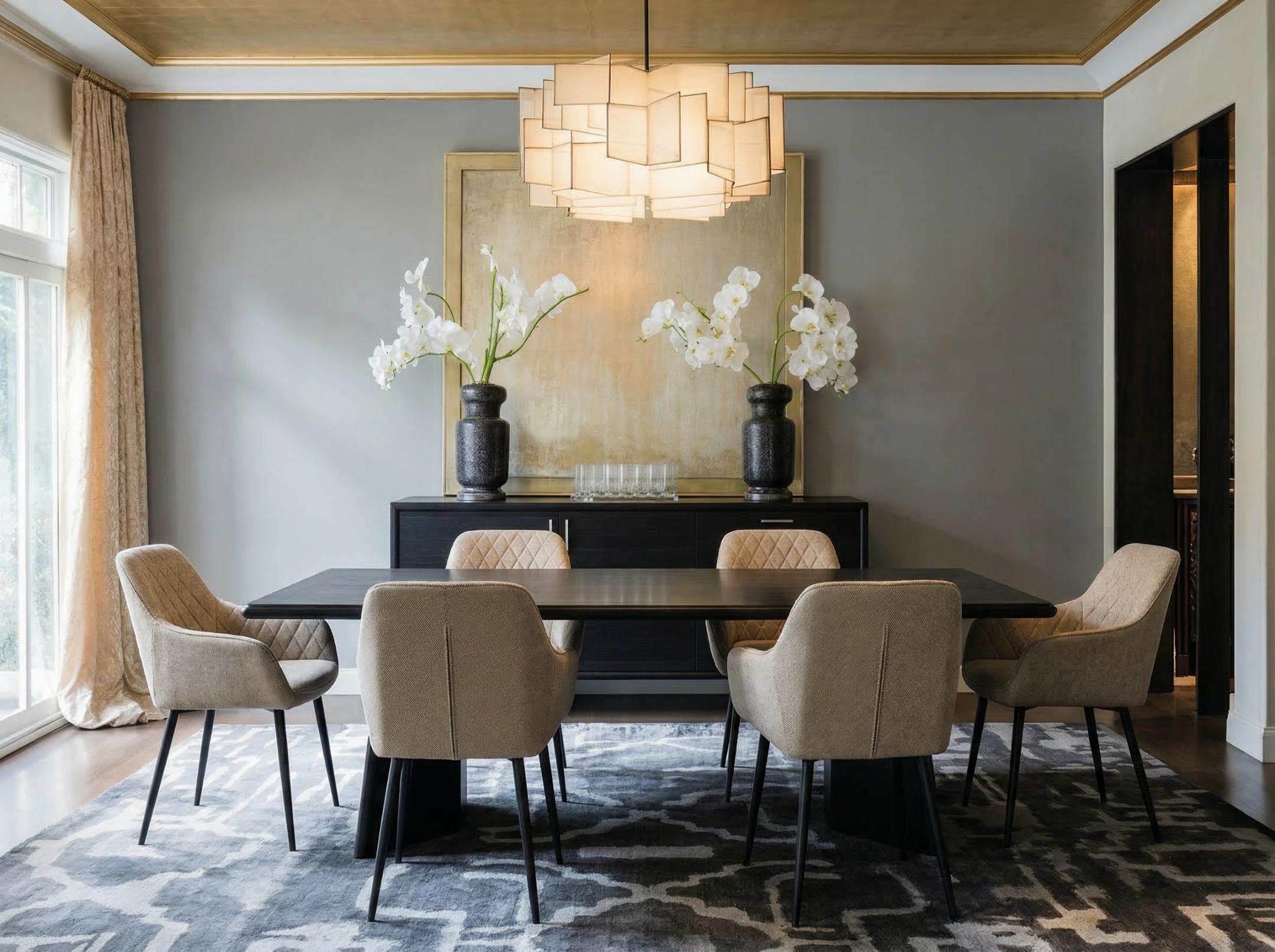
- Dining tables and extensions (a high-value application — Walnut dining tables are among the most desirable pieces in retail)
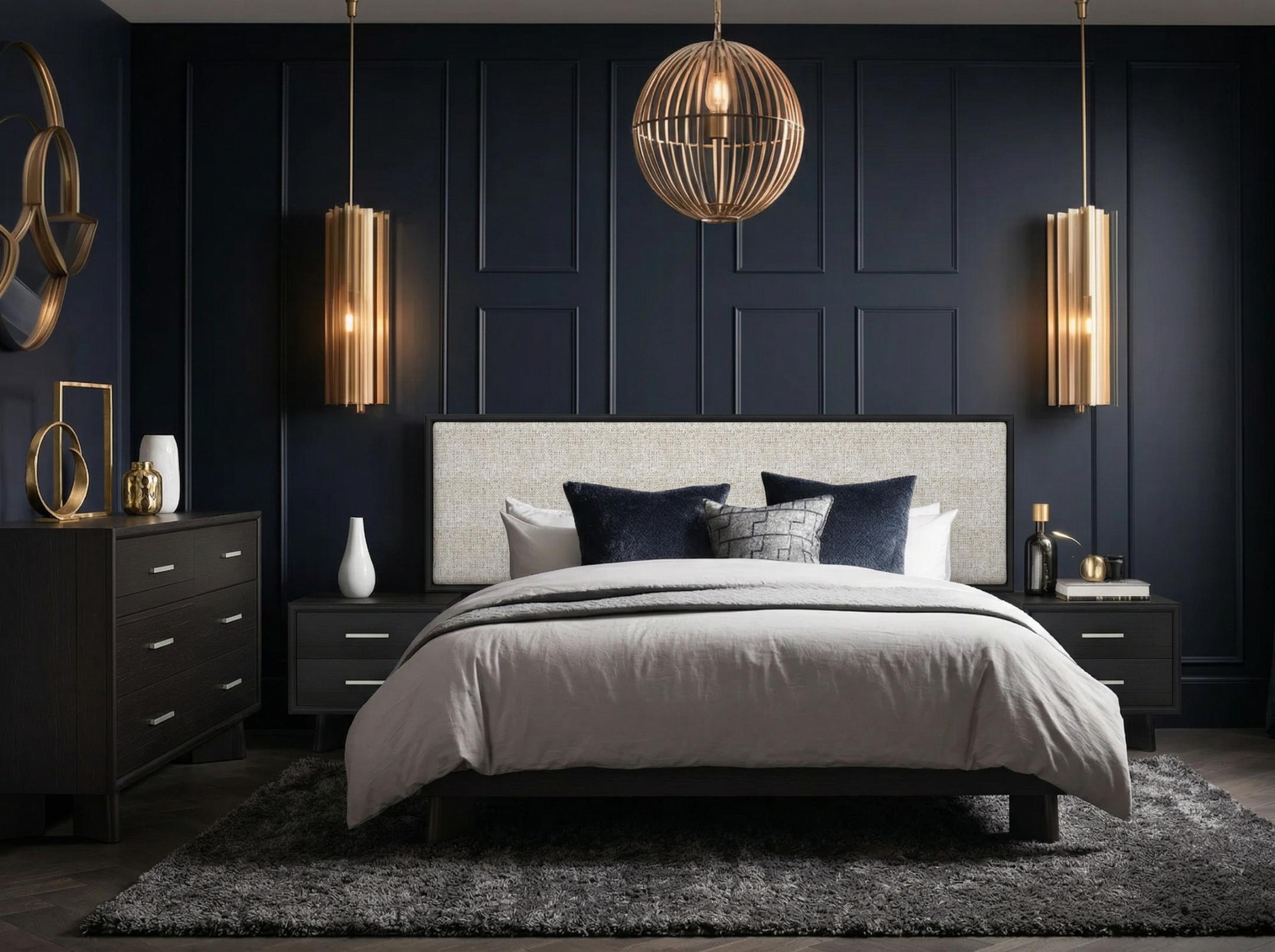
- Bed frames and bedheads (Walnut bedrooms command significant retail premiums)
- Case goods — sideboards, buffets, wardrobes, and media units
- Coffee and side tables
- Chairs with Walnut leg and frame detailing
- Feature pieces and custom one-off designs
The Walnut market is consistently strong across Australia, New Zealand, the United Kingdom, and North America — markets where the dark, moody interior trend and mid-century modern influences have driven sustained demand.
Walnut also pairs exceptionally well with other materials — marble, brass, black steel, leather, and linen — making it the anchor species for mixed-media, high-design collections.
DISCUSS WALNUT FOR YOUR RANGE