Living Ikon — Materials Guide

Pine Timber
PINE: ACCESSIBLE, VERSATILE, COMMERCIALLY PROVEN
Pine is the world’s most widely used furniture timber — and for good reason. Its pale, light colour, clean grain, and reliable workability make it an excellent canvas for a wide range of design directions. Its cost efficiency makes it the species of choice for buyers seeking high-volume commercial production without compromising on finish quality or design integrity.
Pine is not a compromise timber. In the right design — with the right finish and the right manufacturing approach — it produces furniture that sells at scale and satisfies consumers across a wide range of price points.
CHARACTERISTICS

Colour
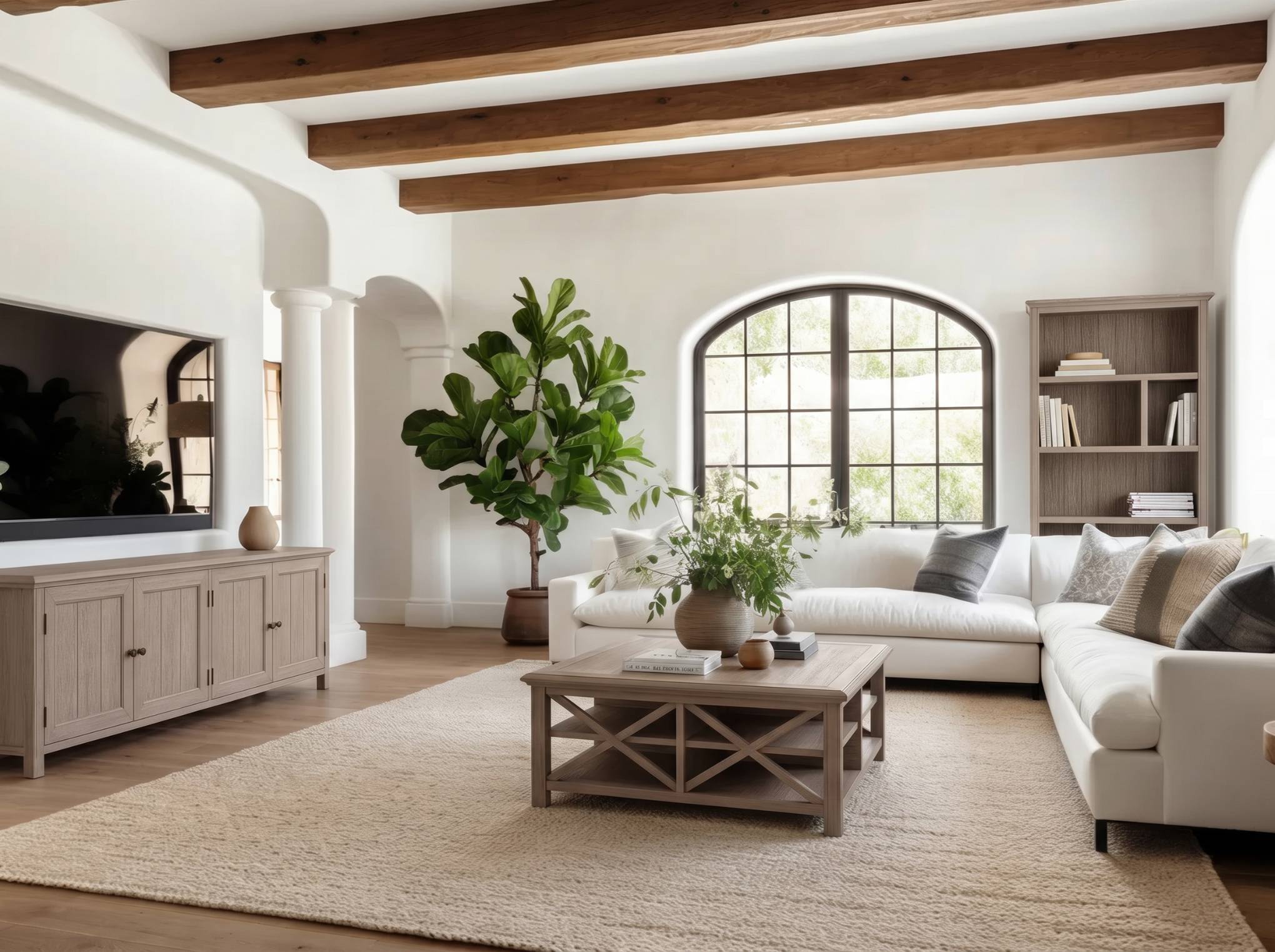
Pale straw to light honey, with clearly visible knots and a fine, relatively even grain. Pine’s light base tone is one of its primary commercial advantages — it accepts virtually any finish, from clean natural whites through to mid and dark stains, without the base colour fighting the finish.
Pale straw to light honey, with clearly visible knots and a fine, relatively even grain. Pine’s light base tone is one of its primary commercial advantages — it accepts virtually any finish, from clean natural whites through to mid and dark stains, without the base colour fighting the finish.
Grain
Straight, fine, and even, with regular knot patterns that give Pine its characteristic, recognisable look. Knotty Pine is a feature in its own right for rustic and farmhouse-style designs. Clear Pine (knot-free or near-knot-free grades) is available for contemporary applications where a cleaner surface is required.
Straight, fine, and even, with regular knot patterns that give Pine its characteristic, recognisable look. Knotty Pine is a feature in its own right for rustic and farmhouse-style designs. Clear Pine (knot-free or near-knot-free grades) is available for contemporary applications where a cleaner surface is required.
Hardness & Durability
Pine is a softwood — softer than hardwood species like Oak, Ash, or Acacia — and appropriate care should be taken in product design to account for this. For well-designed furniture in categories where impact and abrasion are limited (beds, case goods, shelving), Pine performs reliably and durably.
Pine is a softwood — softer than hardwood species like Oak, Ash, or Acacia — and appropriate care should be taken in product design to account for this. For well-designed furniture in categories where impact and abrasion are limited (beds, case goods, shelving), Pine performs reliably and durably.
Workability
Pine is easy to work — it cuts, routes, joins, and finishes cleanly. It is one of the most factory-friendly timbers in production, which contributes to its cost efficiency and speed of production.
Pine is easy to work — it cuts, routes, joins, and finishes cleanly. It is one of the most factory-friendly timbers in production, which contributes to its cost efficiency and speed of production.
Weight
Light-to-medium. Pine furniture is easier to transport and handle — a practical advantage in retail environments and for consumers who move product regularly.
Light-to-medium. Pine furniture is easier to transport and handle — a practical advantage in retail environments and for consumers who move product regularly.
FINISH OPTIONS
Pine’s pale base colour makes it highly versatile in finishing:
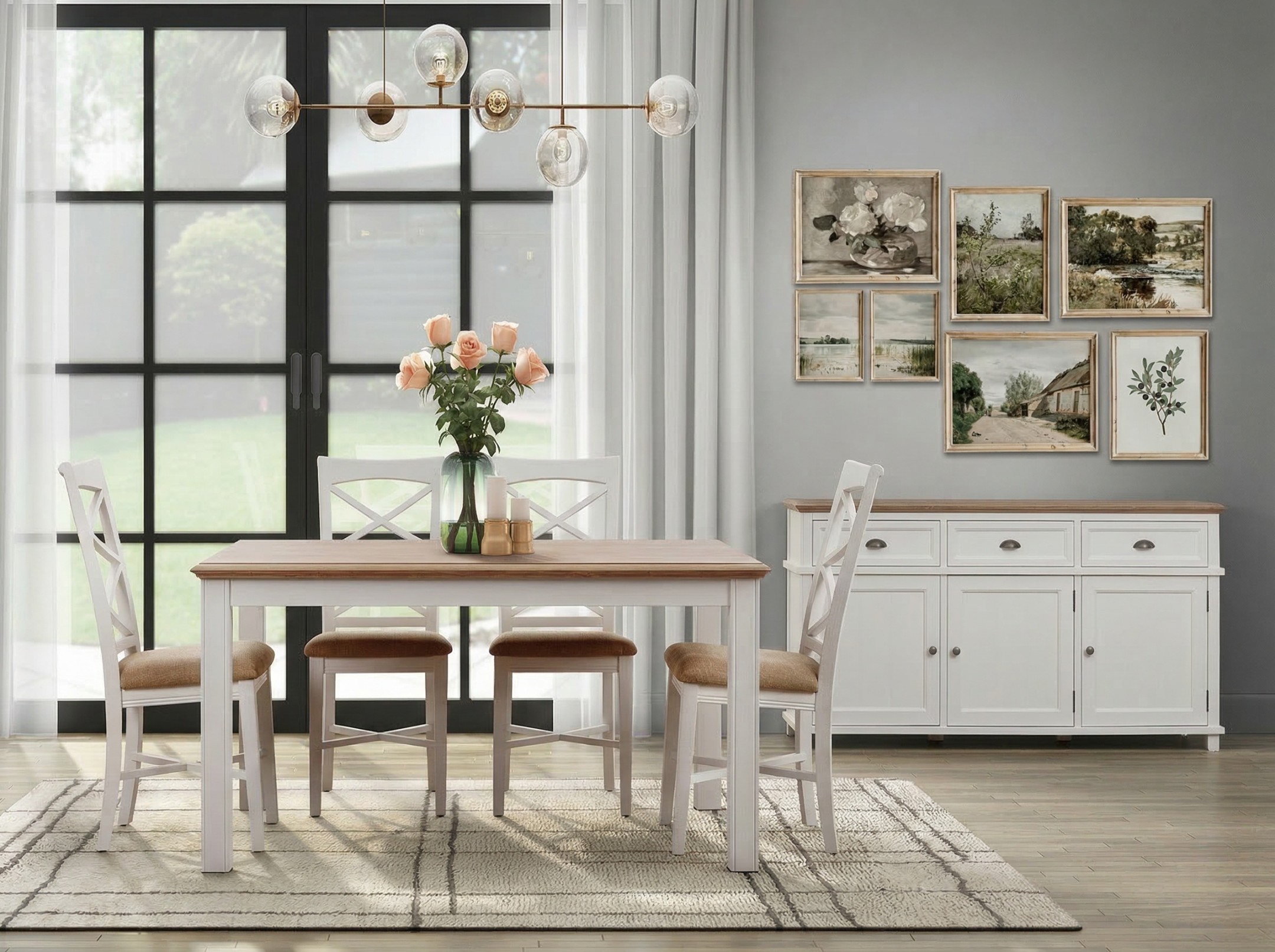
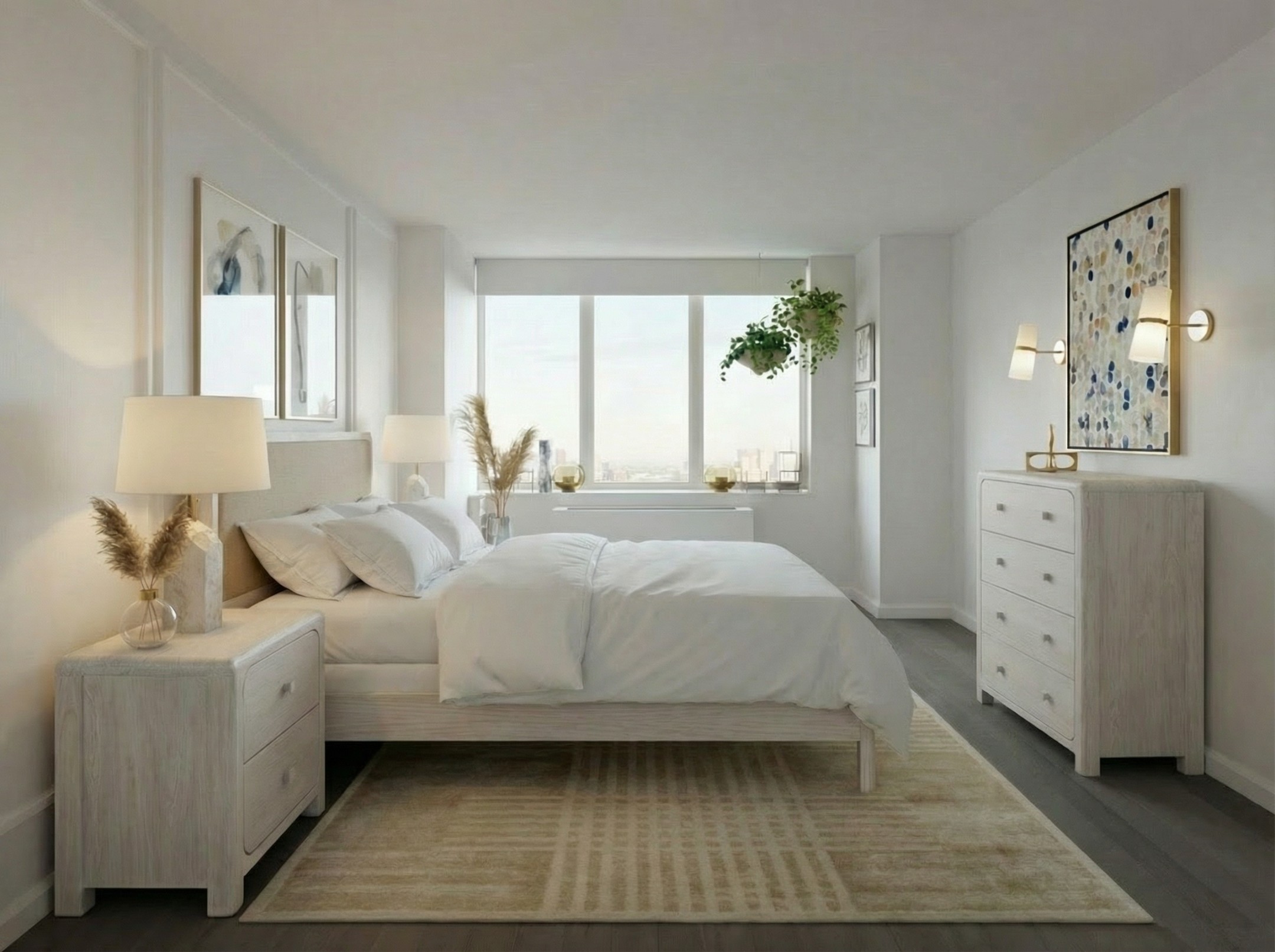
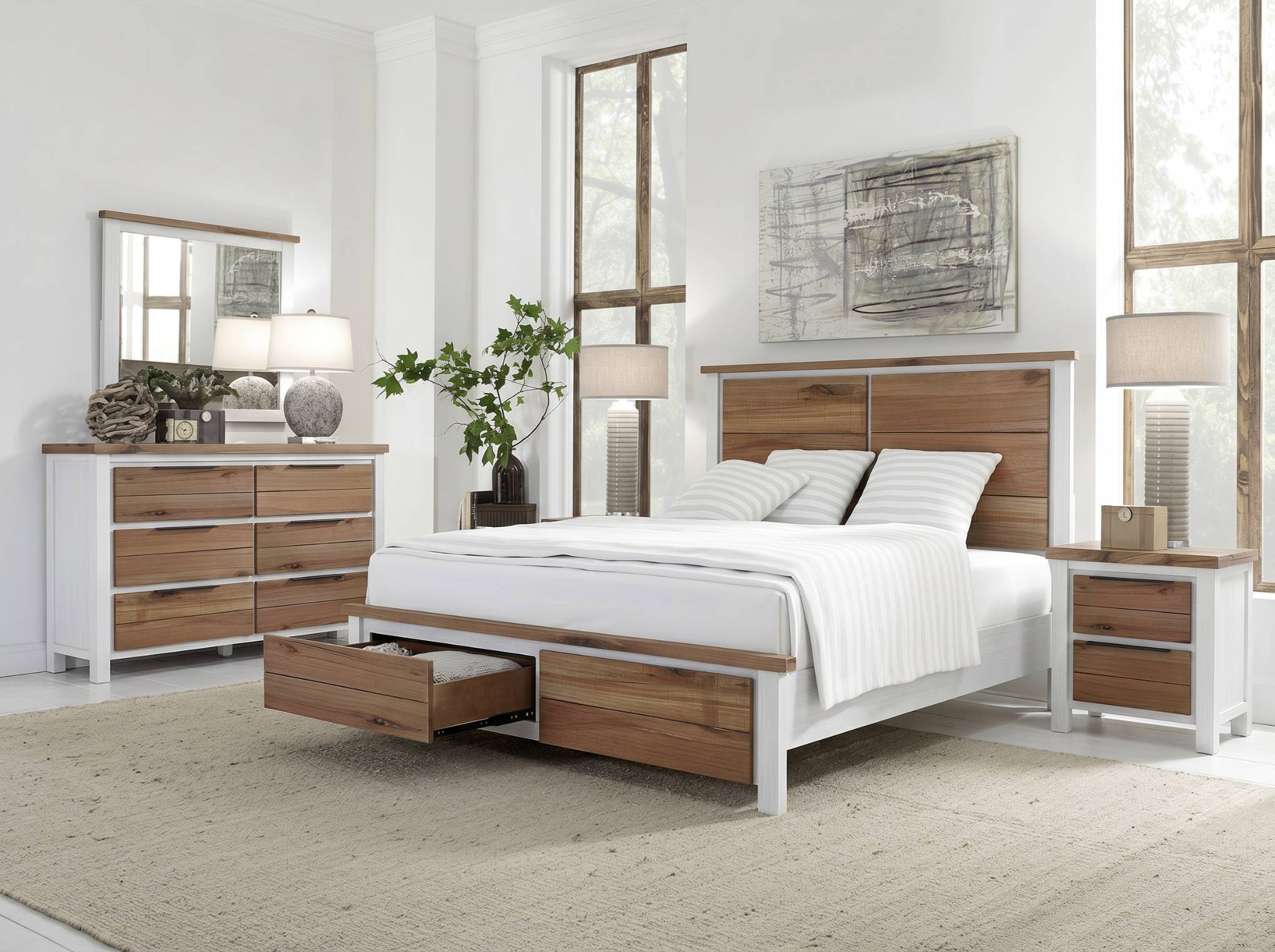
- White and off-white paint (one of the most popular commercial finishes — fresh, clean, broadly appealing)
- Whitewash and limed finishes (Scandinavian aesthetic; high demand)
- Natural lacquer (clean, light; showcases the grain without heaviness)
- Mid and dark stains (adds warmth and weight visually; expands Pine’s perceived price point)
- Rustic distressing (knotty Pine + distressing + earthy stains = a popular farmhouse aesthetic)
APPLICATIONS
Pine is used across a broad range of furniture categories:
- Bed frames and bedheads (a primary application — light weight is a practical consumer benefit)
- Wardrobes and bedroom storage
- Shelving and bookcases
- Children’s furniture
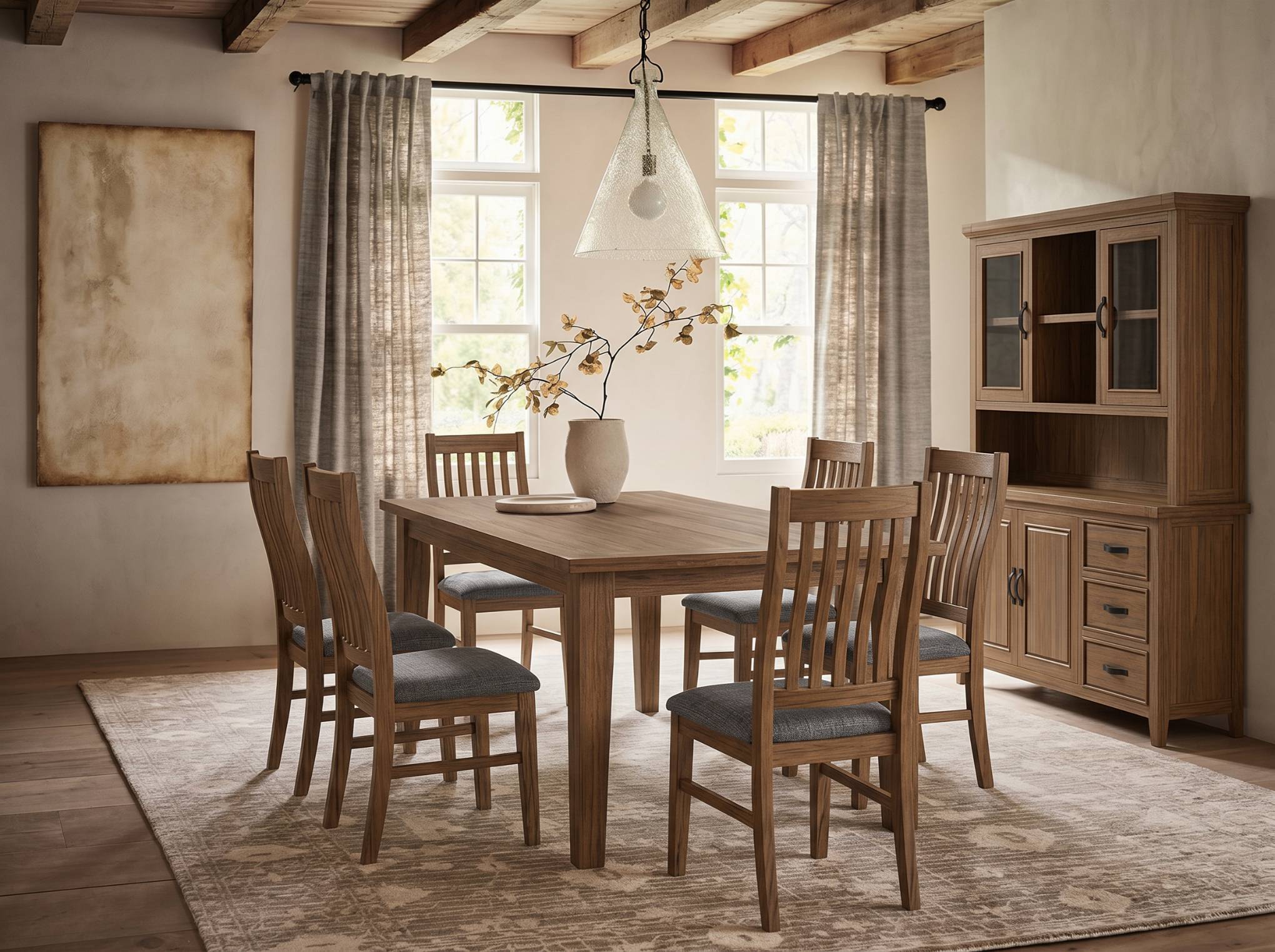
- Dining tables and benches in rustic or farmhouse design directions
- Case goods and drawer units
MARKET POSITIONING
Pine is a mid-to-entry-level commercial specification that performs best in value and family-focused retail segments. It is the right choice for buyers who need:
- Volume and efficiency
- Broad market appeal across a wide consumer demographic
- A reliable, predictable production timeline at competitive cost
Pine is also a strong choice for buyers building children’s furniture ranges — where light weight, non-toxic finishes, and competitive pricing are primary requirements.
SUSTAINABILITY
Pine is among the most sustainably managed timber species in the world — grown extensively in plantation forests with fast rotation cycles and well-established certification programs. Living Ikon sources Pine through traceable supply chains. FSC-certified Pine is available for buyers with specific sustainability requirements.
DISCUSS PINE FOR YOUR RANGE
Pine’s commercial versatility makes it a reliable backbone for mid-market furniture ranges. Our team can advise on grade selection, knot management, finish development, and how to position Pine product effectively against competing materials.